
The Importance of Balancing Temperature in Your Home
- VHP Air Conditioning & Heating

- Sep 29, 2025
- 3 min read
Updated: Oct 16, 2025
Maintaining a comfortable temperature in your home is essential for your well-being and energy efficiency. When the temperature is balanced correctly, it creates a pleasant living environment that supports health, productivity, and relaxation. However, achieving this balance requires understanding how heating and cooling systems work together and how to optimize their use.
How Air Conditioning Impacts Home Comfort
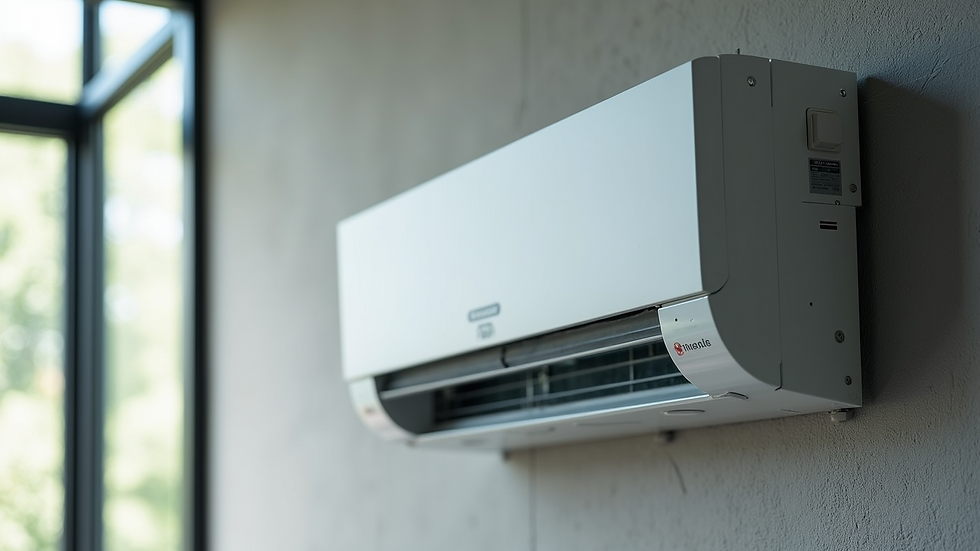
Air conditioning plays a crucial role in regulating indoor temperature, especially during hot months. It cools the air, removes humidity, and improves air quality. Proper use of air conditioning can prevent overheating and reduce the risk of heat-related illnesses.
To maximize comfort, set your air conditioner to a temperature that is cool but not excessively cold. The ideal range is typically between 72°F and 78°F. This range balances comfort and energy savings. Using a programmable thermostat can help maintain this balance by adjusting the temperature based on your schedule.
Additionally, regular maintenance of your air conditioning system ensures it operates efficiently. Clean or replace filters monthly during peak use, and schedule professional inspections annually. This prevents breakdowns and keeps your system running smoothly.
Benefits of Balanced Temperature for Health and Energy Savings
Balancing temperature in your home is not just about comfort; it also has significant health and financial benefits. Extreme temperatures can cause discomfort, disrupt sleep, and exacerbate health conditions such as asthma or arthritis.
Maintaining a stable temperature helps regulate your body’s internal thermostat, reducing stress on your cardiovascular system. It also minimizes the growth of mold and bacteria, which thrive in overly humid or warm environments.
From an energy perspective, balanced temperature settings reduce the workload on your HVAC system. This leads to lower energy bills and a smaller carbon footprint. Simple actions like closing blinds during the hottest part of the day and using ceiling fans can enhance cooling efficiency.

What is air conditioning and heating called?
The combined system that controls both cooling and heating in a home is commonly referred to as HVAC, which stands for Heating, Ventilation, and Air Conditioning. This system is designed to provide year-round comfort by adjusting indoor temperatures according to the season.
HVAC systems come in various types, including split systems, heat pumps, and packaged units. Each type has its advantages depending on your climate and home size. For example, heat pumps are energy-efficient options that provide both heating and cooling by transferring heat rather than generating it.
Understanding your HVAC system helps you make informed decisions about maintenance and upgrades. It also allows you to troubleshoot common issues like uneven heating or cooling, which can indicate problems with airflow or insulation.

Practical Tips for Maintaining Balanced Temperature
To keep your home temperature balanced, consider these practical tips:
Seal leaks and insulate - Prevent warm or cool air from escaping by sealing windows, doors, and ducts. Proper insulation keeps your home temperature stable.
Use programmable thermostats - Automate temperature adjustments to match your daily routine, reducing energy waste.
Optimize airflow - Keep vents unobstructed and use fans to circulate air evenly throughout rooms.
Schedule regular maintenance - Have your HVAC system inspected and serviced by professionals to ensure optimal performance.
Adjust settings seasonally - Increase thermostat settings slightly in summer and lower them in winter to save energy without sacrificing comfort.
By following these steps, you can enjoy a comfortable home environment while minimizing energy costs.
Why Professional HVAC Service Matters
Even with the best practices, your HVAC system needs professional care to function efficiently. Experts can identify issues that are not obvious, such as refrigerant leaks, faulty thermostats, or worn-out components.
Regular professional service extends the lifespan of your system and improves indoor air quality. It also ensures that your system complies with safety standards and operates at peak efficiency.
If you want to learn more about maintaining your system or need expert assistance, consider visiting air conditioning and heating services. They offer comprehensive solutions tailored to your home’s needs.
Creating a Comfortable Home Environment Year-Round
Balancing temperature in your home is a continuous process that requires attention and care. By understanding how your air conditioning and heating systems work, maintaining them properly, and implementing energy-saving strategies, you can create a comfortable and healthy living space.
Remember, a well-balanced home temperature not only improves your quality of life but also contributes to environmental sustainability. Take the time to evaluate your current setup and make adjustments where necessary. Your comfort and savings will thank you.
This guide provides practical insights to help you maintain the perfect temperature balance in your home. Whether you are upgrading your HVAC system or simply optimizing your current setup, these tips will keep you comfortable throughout the year.


